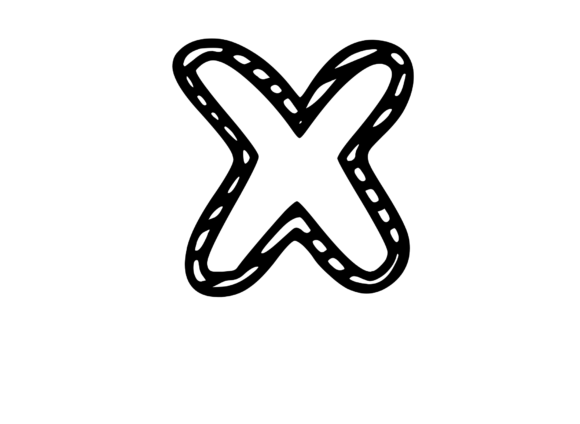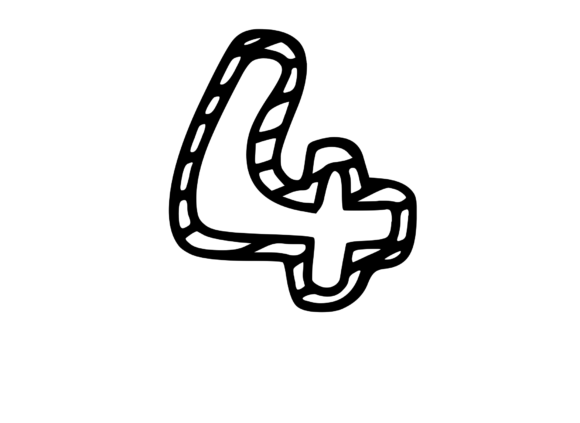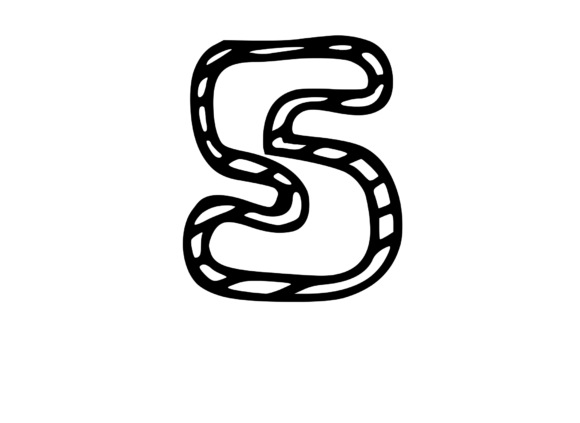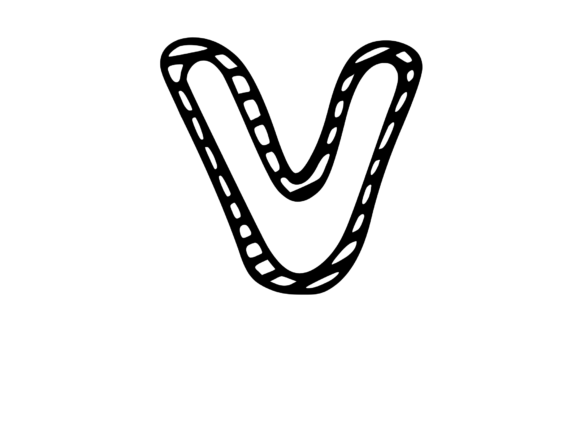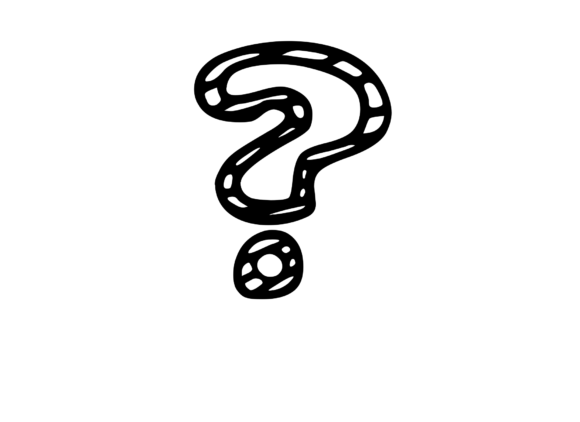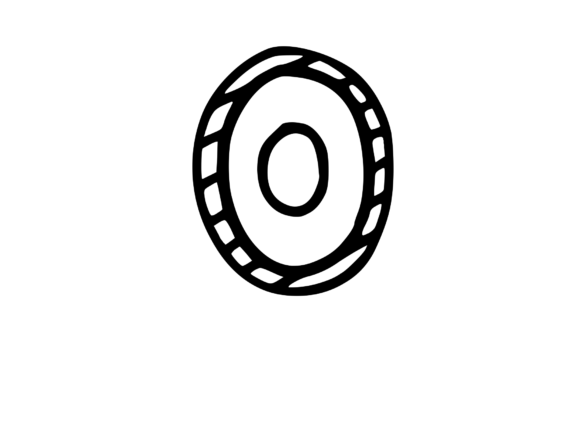
Felt Tip Hand Drawn Stripy Comic Mono 0 Review
When I first opened the file for Felt Tip Hand Drawn Stripy Comic Mono 0, my immediate reaction wasn't about stitch counts or hoop sizes. It was about the vibe. In a sea of perfectly geometric, sterile vector fonts, this design feels like it was sketched on a napkin during a coffee break. That is exactly why I think it has such potential for real-world embroidery projects. As someone who reviews digital assets for both personal hobbies and commercial boutique lines, I look for designs that translate well from a screen to a needle. This piece brings a playful, hand-drawn energy that can elevate a simple tote bag into something with genuine personality.
The First Impression: Mood and Visual Personality
The name Felt Tip Hand Drawn Stripy Comic Mono 0 does a lot of heavy lifting here. The visual language suggests a marker stroke—thick, slightly uneven, and full of character. For an embroidery designer, the "hand-drawn" aspect is crucial because it implies imperfection, which is often where charm lives in handmade goods. The stripy element adds a layer of texture without requiring complex satin stitches that might pucker on lightweight fabrics.
I immediately saw this design fitting into the Crafts and Graphics categories not just as a decoration, but as a statement piece. It screams "maker." When you are selling items on platforms like Etsy or running a small shop, customers want to feel a connection to the creator. A font that looks like it was drawn by a human hand fosters that trust better than a standard computer typeface ever could. The comic style makes it approachable, perfect for brands that want to appear friendly, accessible, and fun rather than corporate and stiff.
Real-World Application: From Screen to Stitch
Let's talk about how this would actually perform in a production environment. Imagine you are preparing a custom embroidered sweatshirt for a local art workshop or creating a batch of personalized baby onesies. The bold nature of the stripy mono font means it holds up well against the bulk of thick fabric. However, the specific application matters immensely.
I tested this concept mentally on a few key scenarios:
- Custom Apparel: On a heavyweight cotton sweatshirt, the thick strokes of Felt Tip Hand Drawn Stripy Comic Mono 0 would create a nice, raised effect. It stands out without looking messy.
- Tote Bags and Kitchen Towels: These are the sweet spots. The design works beautifully as a central graphic on a canvas tote. The casual aesthetic aligns perfectly with the utilitarian nature of a grocery tote or a holiday kitchen towel.
- Baby Items: For nursery decor or baby gifts, the soft, rounded edges of the hand-drawn style are less aggressive than sharp block letters. It feels safer and more inviting for a child's room.
- Embroidered Patches: If you plan to cut this out as a patch, the stripy elements provide excellent definition. The contrast between the solid fill areas and the negative space (if designed that way) helps the patch stand out when sewn onto denim jackets or caps.
The versatility extends to holiday embroidery projects too. Think of a Christmas stocking or a Valentine's Day gift tag. The design has enough whimsy to fit festive themes without being cliché. It allows the maker to inject a bit of modern flair into traditional crafts.
Where to Proceed with Caution
While I am enthusiastic about this design, no single file is a magic bullet for every situation. There are specific constraints where Felt Tip Hand Drawn Stripy Comic Mono 0 might struggle if not handled correctly. As an experienced reviewer, I have to point out where the risks lie so you don't end up with a ruined project.
First, consider the hoop size. If your design includes tiny details or very thin lines within the stripy sections, they might get lost in smaller hoops. Embroidery machines have limitations on how fine they can stitch. If the original vector has intricate corners or extremely tight spacing, the thread might bunch up, creating a blob rather than a crisp letter.
Second, fabric choice is critical. This design relies on the stability of the base material. On stretchy fabric like jersey knit t-shirts, you need a high-quality stabilizer to prevent the design from distorting as the fabric moves. Similarly, on textured fabrics like bouclé or raw linen, the definition of the hand-drawn lines might be obscured. You want the texture of the thread to complement the fabric, not fight it.
Dense stitch areas are another consideration. If the design calls for heavy fill stitches to achieve the "felt tip" look, ensure your machine can handle the density without puckering the garment. Also, be mindful of dark fabric. While dark backgrounds can make colors pop, you need to ensure there is enough contrast in your thread selection. A light-colored thread on a dark background will show the stripy pattern clearly, but a dark thread might disappear entirely.
Impact on Product Value and Branding
One of the most underrated aspects of using a design like Felt Tip Hand Drawn Stripy Comic Mono 0 is its impact on perceived value. When a customer receives a personalized gift or a small shop product, the quality of the design speaks volumes. A generic, pixelated, or overly rigid font can make a handmade item feel mass-produced. In contrast, this design signals effort and creativity.
For Etsy sellers and digital product sellers, this distinction is vital. Your printable mockups need to reflect the true potential of the design. If you use this font in your listings, you are setting a tone of authenticity. It tells the buyer that you care about the aesthetic details. This builds customer trust and encourages repeat business. When the finished product looks professional yet unique, buyers are more likely to recommend your brand to friends.
Furthermore, the design supports brand consistency. If you are building a line of merchandise, using a consistent typographic voice helps customers recognize your work instantly. Whether it is on a wedding gift, a boutique branding label, or a craft fair product, the mood remains cohesive. It bridges the gap between a hobbyist's garage and a legitimate commercial enterprise.
Practical Designer Notes for Execution
Before you load this file into your machine, there are several steps I strongly recommend taking to ensure success. Do not skip these checks, especially if you are planning to sell the finished items.
- Test on Scrap Fabric: Always run a test stitch on a scrap piece of the same fabric you intend to use. This reveals issues with tension, thread pull, or stabilizer needs before you commit to a final product.
- Check Thread Color Contrast: Ensure your chosen thread colors offer sufficient contrast against the fabric. The hand-drawn style relies on clear lines; muddy colors will ruin the effect.
- Review Stitch Density: Look at the digitization of the file. Are the fill stitches too dense? If so, adjust them to prevent puckering. Thinner stitches often work better for hand-drawn aesthetics.
- Confirm Hoop Size: Make sure the design fits comfortably within your intended hoop size with adequate margin for framing.
- Inspect Small Details: Zoom in on the smallest parts of the design. Can the machine resolve those tiny curves? If not, you may need to simplify the path or increase the scale.
- Test in Black and White: Create a grayscale mockup to see how the design translates without color. This helps identify balance issues in the composition.
- Compare Light and Dark Backgrounds: See how the design behaves on both ends of the spectrum to determine your best market positioning.
- Use Proper Stabilizer: Depending on the fabric weight, choose the right tear-away, cut-away, or wash-away stabilizer to support the design during stitching.
- Verify Licensing: Most importantly, confirm the license terms. Does this allow for commercial embroidery? Can you sell the finished physical products? Or is it restricted to personal use only? Always check the specific terms provided with the file to avoid legal issues.
In conclusion, Felt Tip Hand Drawn Stripy Comic Mono 0 is a strong candidate for any crafter or designer looking to add a touch of whimsical professionalism to their work. It balances the charm of a sketch with the durability needed for machine embroidery. By paying attention to fabric choices, stabilizers, and licensing, you can turn this digital asset into a standout finished product that customers will love.