American Flag Shield Welcome Laser Sign Review
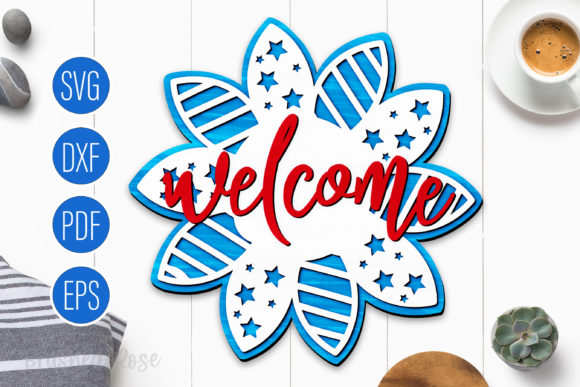
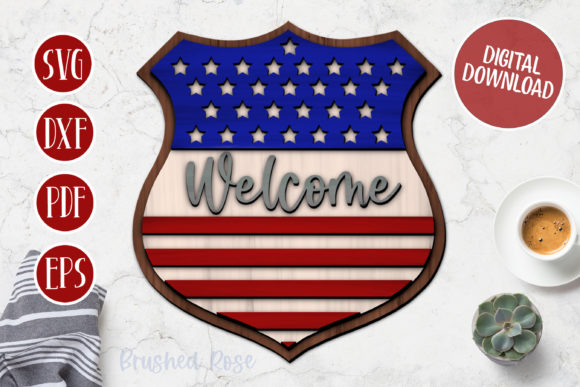
When I first opened the American Flag Shield Welcome Laser Sign, my immediate reaction wasn't about the patriotic sentiment, though that is certainly a strong selling point. As a designer who has spent years evaluating digital assets for real-world production, I looked at the geometry and the implied stitch paths. This file presents itself as a robust, shield-shaped graphic with a classic flag motif. It feels like a design built for substance rather than fleeting trends. The layout suggests a central focal point surrounded by text, which is a timeless composition for embroidery.
The description notes that this file was created for families who sacrifice so much. That emotional weight translates well into a product category, but it also raises the bar for execution. A design intended to honor service members needs to look crisp, professional, and durable. If the stitching is sloppy or the details are lost in the fabric weave, the tribute loses its impact. So, how does this Illustrations and Graphics asset hold up when moved from a screen to a sewing machine?
From Digital File to Finished Product: A Real-World Scenario
Let's imagine a practical scenario. You are a small business owner preparing for the Fourth of July season. You have an order for twenty custom embroidered tote bags for a local veterans' organization. These aren't just generic bags; they are meant to be high-quality gifts that recipients will use daily. You pull up the American Flag Shield Welcome Laser Sign to place on the front panel of the canvas tote.
The shield shape is excellent for this application. Unlike a complex, sprawling landscape that might get distorted on a curved bag, the shield offers a contained area that fits perfectly within a standard 4x4 or 5x7 hoop. When you test the design on scrap canvas, the density of the fill stitches looks promising. The flag stripes provide a nice rhythm of satin and fill stitches, while the shield border likely uses a clean outline. For a tote bag, this design screams "handmade quality." It doesn't look like a cheap sticker; it looks like a crafted badge of honor.
However, the success of this project depends heavily on your thread color choices. The red, white, and blue palette is classic, but if you choose threads that are too similar in value (like a light gray instead of white), the contrast vanishes. With the American Flag Shield Welcome Laser Sign, you need deep crimson and true navy to make the white spaces pop. On a dark canvas, you would need a stabilizer that supports heavy density without puckering the fabric. If done right, the finished product commands respect. Customers holding these bags will feel the texture of the embroidery and understand the care put into the item.
Where This Design Shines in Your Shop
This design is versatile enough to appear in several distinct product lines, provided you respect the scale. Beyond tote bags, the American Flag Shield Welcome Laser Sign works exceptionally well on heavier garments like sweatshirts and hoodies. The shield shape acts as a chest logo or a back patch, offering a sense of authority and tradition. For a boutique selling apparel for military spouses or veterans, this is a natural fit.
- Baby Embroidery: The shield motif is gentle yet bold, making it suitable for baby onesies or blankets. The "Welcome" text adds a soft touch to the patriotic theme, perfect for a nursery gift set.
- Holiday Gifts: During Memorial Day or Veterans Day, this design becomes a top seller. It allows you to create personalized aprons, kitchen towels, or pillow covers that serve as meaningful decor.
- Custom Apparel: Whether it is a cap or a jacket, the design provides a structured look that stands out against busy backgrounds. It is ideal for commercial embroidery projects where brand consistency is key.
The visual appeal of this file lies in its balance. It isn't cluttered with excessive detail that could get lost in the stitching process. The core elements—the flag and the shield—are large enough to be recognized even from a distance. This recognition factor is crucial for Etsy sellers and craft fair vendors. A customer browsing a table full of handmade goods will stop at a piece with clear, legible embroidery. The American Flag Shield Welcome Laser Sign delivers that clarity.
Technical Considerations and Potential Pitfalls
While the design is strong, no embroidery file is without its challenges. One of the first things I noticed is the potential complexity of the corners. Shields often have intricate curves or pointed tips. If the original vector file includes very fine points, they can become rounded blobs once stitched, especially on smaller hoop sizes. You must check the digitization to ensure that any sharp angles have been converted into appropriate stitch types, such as a running stitch or a simplified satin path.
Fabric selection is another critical variable. If you attempt to embroider this on a stretchy knit fabric without proper stabilization, the tension will warp the shield shape. The design requires a stable base. Similarly, if you are working with textured fabrics like fleece or heavy wool, the definition of the flag stripes might get lost. In these cases, you might need to adjust the stitch density or switch to a different thread type to maintain visibility.
There is also the issue of size. While great for medium to large items, this design might struggle on very small areas like the cuff of a sleeve or a tiny pocket. The text "Welcome" and the details of the flag might become illegible if scaled down too far. Always run a test on the actual material before committing to a full production run. If you are creating digital embroidery files for resale, ensure you include size recommendations in your listing so buyers know which products suit this design best.
Practical Notes for the Professional Designer
Before you start stitching, there are a few non-negotiable steps to ensure your finished product meets professional standards. First, always test the design on scrap fabric. This simple step reveals issues with thread colors or stabilizer choice that you wouldn't see on a computer screen. Check the contrast between the background and the thread. Does the white thread show up clearly against a beige fabric? If not, you may need to add a underlay or change the background color.
Review the stitch density carefully. Dense areas can cause the fabric to pucker, ruining the drape of a shirt or the structure of a hat. If the design feels too heavy, consider simplifying the fill stitches or using a lighter weight stabilizer. Also, inspect the small details. Are there any isolated stitches that might break easily during washing? Reinforce these areas if necessary.
Licensing is paramount. Since this is a graphics asset, you must confirm the terms of use before selling finished items. Does the license allow for commercial embroidery? Can you sell unlimited quantities? If the file is marked for personal use only, you cannot use it for your shop inventory. Verify these terms explicitly to avoid legal trouble later.
Finally, think about the presentation. A well-executed American Flag Shield Welcome Laser Sign deserves to be photographed well. Use lighting that highlights the texture of the stitches. Show close-ups of the satin edges and the clean lines of the shield. This attention to detail builds trust with your customers and elevates your brand from a hobbyist to a professional maker.
In conclusion, the American Flag Shield Welcome Laser Sign is a solid addition to any designer's library. It combines a powerful theme with a functional layout that works across various mediums. Whether you are creating a single personalized gift for a neighbor or launching a line of boutique merchandise, this design offers a strong foundation. Just remember that the magic happens in the execution. Test your setup, choose your materials wisely, and let the craftsmanship speak for itself.